The Complete Guide on How to Stack Firewood for Winters in Northern Ireland
The winters across Belfast or Enniskillen in February are almost coming to an end. From snow, we are moving towards rain and high winds. The rain hits your window while the wind howls outside. You see the brand new log of wood you bought from Firewood NI. Neatly stacked, it is easy to move and offers the best value. Stacking wood is an art in Ireland. Our weather is notoriously wet and humid, and moisture can reduce the efficiency of fire. Damp wood creates smoke rather than heat. It also damages your chimney over time.
Proper stacking ensures your home stays cosy all winter long. However, not everyone is proficient at keeping firewood dry. This guide helps you answer how to stack firewood properly. We focus on techniques that work for our local climate. Using quality logs from Firewood NI makes this process even easier.
Why You Must Stack Wood for Northern Ireland Winters
Our local climate presents unique challenges for firewood storage. We experience high humidity and frequent rainfall throughout the year. Wood acts like a sponge, absorbing moisture from the air. If you leave logs in the open, they will rot. Air cannot move through a pile of loose wood. Without airflow, the timber stays green or becomes mouldy.
Properly stacked wood dries out much faster than a damp log sitting in the open. This process is often called seasoning or drying the wood. Even kiln-dried logs need very good storage solutions. They can soak up rain if left out in storms.
The Benefits of a Neat Wood Stack
We all love to keep our rooms neat and tidy. In the same manner, we should also try to keep our wood stock neat. It reduces mess while making it easier to pick and burn wood instantly. Here are some benefits of a neat wood stock:
- Maximum Burn Efficiency – Dry wood burns much hotter than damp logs. This means you use less fuel to heat rooms.
- Preventing Rot – Airflow is the best way to stop fungal growth. A neat stack allows wind to pass through easily.
- Efficient Space Management – Gardens and sheds in Northern Ireland can be quite small. A tidy stack takes up much less floor space.
- Pest and Rodent Control – Mice love to hide in messy piles of wood. A clean stack offers fewer places for them to live.
- Easier Access – Winter nights are often dark and very wet. A stable stack is easy to navigate with torches during storms and rain.
Differences for Local Businesses and Residential Homes
The use of wood across Northern Ireland is diverse. The way a local business stacks firewood will be different from how we stack it at home. You must plan your stack based on your specific location and the volume you hold. Here are some differences to consider when stacking firewood:
- Commercial Storage Requirements – Restaurants or pubs use wood for cooking and heating daily. They often require much larger volumes of timber every week.
- Accessibility for Staff – Business stacks are usually located in high-traffic outdoor areas. They must be safe for staff to use during busy shifts.
- Residential Home Needs – Homeowners usually store wood for evening or weekend use. A homeowner might only need one or two large stacks.
- Aesthetic and Space – Home stacks are often tucked away in a quiet corner. They can be built to fit specific garden shed sizes.
- Long-Term Seasoning – Homes often store wood for many months at a time. This requires a highly stable, long-lasting stack design.
The Best Way to Build Your Winter Wood Pile
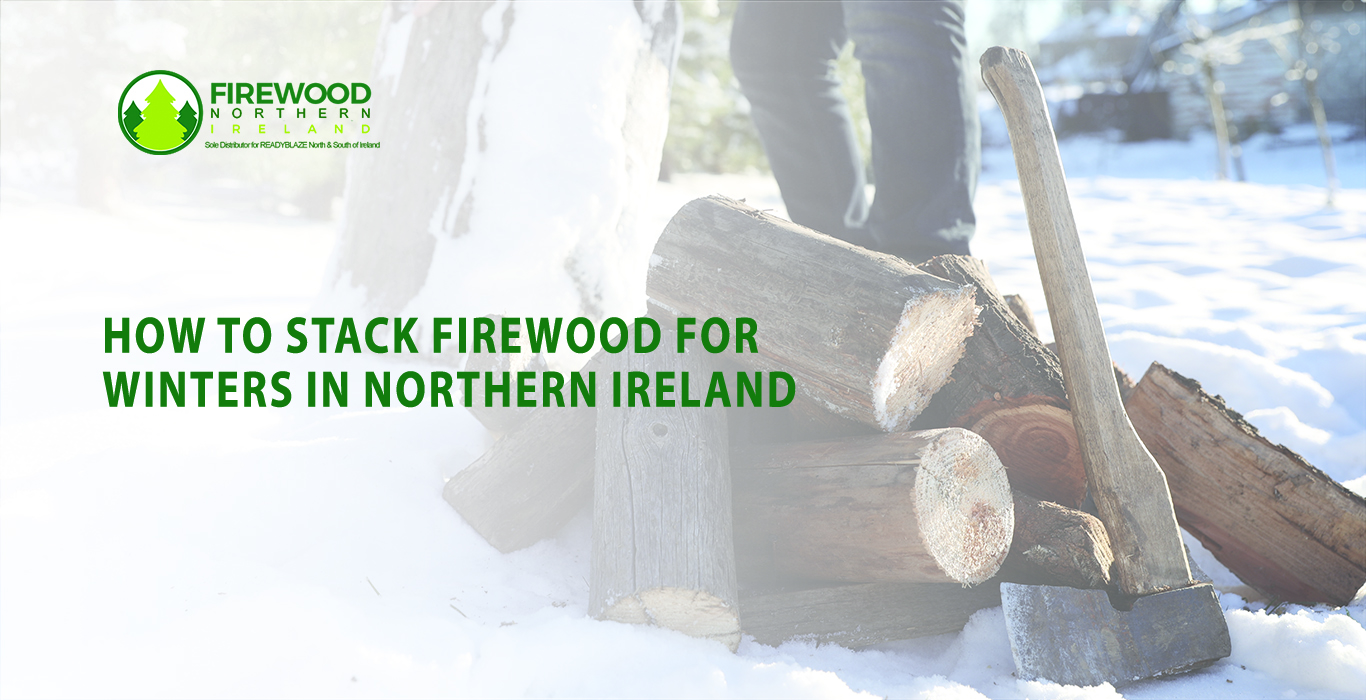
Building a woodpile can be like fitting Lego bricks. You must focus on the structure and the airflow quality. A well-built stack acts as its own drying machine. It uses the natural Irish wind to remove moisture. Follow these steps to create a stack that lasts all year.
- Choose a Level Foundation. Never place your logs directly on the wet ground. Soil moisture will quickly travel up into the wood.
- Create a Stable Base. Start with your largest and heaviest logs first. These provide a solid anchor for the entire stack.
- Leave Gaps for Airflow. Do not pack the logs too tightly together. Small gaps allow the Irish breeze to dry the wood.
- Use the Criss Cross Method. This technique involves alternating the direction of the logs. It is used at the ends of the stack.
- Bark Side Up Protection. Try to place the top layer with bark up. Bark acts as a natural raincoat for the timber.
Special Rules for Different Types of Firewood
Every wood has its own qualities and stacking requirements. Different tree species have different densities and drying times. You must adjust your stacking method for the type of timber you have. This ensures every log is ready for the fireplace. Here are some special rules to follow when stacking different types of firewood for your home or business:
- High Densely Hardwoods – Hardwoods like oak and beech are very dense and heavy. They take much longer to dry out than softwoods.
- Softwood Airflow Needs – Softwoods like pine or spruce dry out quite quickly. These logs can be stacked slightly closer than heavy hardwoods.
- Protecting Birch Bark – Birch is another popular choice in Northern Ireland homes. You must keep birch off the ground at all times.
- Ash Wood Storage – Ash is famous for having low moisture when green. It still needs a solid stack to remain high-quality.
- Mixed Wood Piles – If you have different types, keep them separate. This helps you pick the right log for your fire.
Protecting Your Fuel from the Environmental Elements
Snow and rain are the biggest threats to your winter firewood supply. You must create a shield or a space at home that blocks water but allows air to pass. A good cover prevents the wood from soaking up autumn rain. This is essential for maintaining the quality of Firewood NI products.
- Top Cover: Do not wrap the entire firewood stack in plastic. This traps moisture and leads to rapid wood rot.
- Overhanging Roofs are Best. A permanent woodshed is the ideal storage solution. Ensure the roof has a generous overhang on the sides.
- Avoid Wet House Walls. Do not lean wood directly against your house. This can cause damp to move into your walls.
- Secure Your Tarp Covers. Northern Ireland gets very strong winter wind gusts. Use heavy stones or bungee cords to hold covers.
Staying Safe While Stacking Firewood
Safety comes first when you stack firewood. Safety is very important when building a large wood pile. There is always a high risk of medical injury when stacking if proper equipment is not used. Heavy logs can cause injury if the stack falls over. You must ensure the ground is firm and the pile is level. Take your time to build a structure that lasts.
- Monitor Stack Height – Never build a wood pile over 4 feet. Tall stacks are highly prone to unexpected collapse.
- Use Protective Gear – Always wear thick work gloves when handling wood. Even if you are stacking wood briquettes or kindling. Gloves protect you from splinters and sharp bark.
- Inspect the fall – Check the balance of your stack every week. Soft ground can cause the pile to shift slightly. This increases the risk of fall.
- Keep Away From Children and Pets – Keep children and pets away from large wood piles. Any imbalance can cause injury and long-term disability. A falling log can be very dangerous for them.
Conclusion
Preparing your home for winter takes a little bit of effort. Learning how to stack firewood is a vital part of this. It ensures your fireplace works perfectly during the cold months. You will enjoy hotter fires and much less smoke. Your chimney will stay cleaner and safer for your family. A neat wood pile also adds charm to your garden. It shows that you are ready for whatever weather comes.
Firewood NI sells high-quality kiln-dried firewood across Northern Ireland. The wood is delivered in bags and pallets that make it easier to stock and stack firewood. You can also benefit from safe delivery options and bulk discounts. With Firewood NI, you can relax and stay warm with the best delivery and wood stacking services.
Frequently Asked Questions
Is there a right way to stack firewood in winter?
Yes. The right way to stack firewood in winters include using a level base and leaving gaps for air flow. A neat stack can help reduce risk of moisture and damage.
How does stacking protect my firewood?
Stacking is key to wood longevity during winter. Stacking keeps logs off the wet ground and allows wind to dry them. It prevents the wood from rotting or becoming too damp to burn.
What are the benefits of stacking firewood?
There are many benefits of wood stacking. As per Firewood NI, it saves space in your garden or shed and makes logs easy to reach. Dry wood also burns much hotter and creates less smoke in rooms.